Top Places for a Hot Dog in Pueblo CO
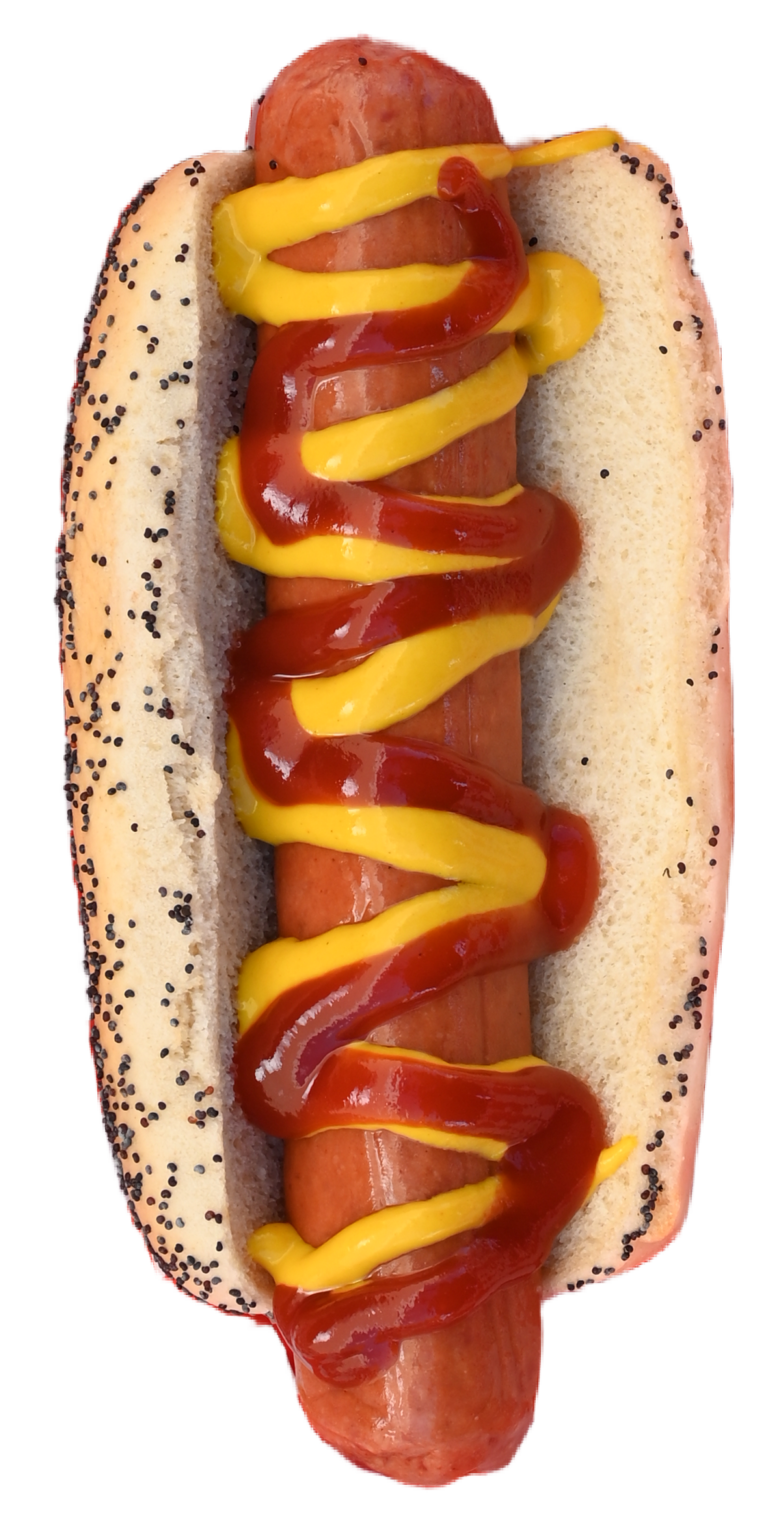

If hot dog Pueblo CO you ask around for the best hot dog Pueblo CO has to offer, you will notice something right away: Pueblo is not a city that chases food trends. It is a city that holds onto places with character, recipes with history, and meals that feel honest. That matters when you are talking about hot dogs. The best ones here are rarely dressed up for social media. They are more likely to be served across a worn counter, wrapped in paper, or handed over at a ballgame while the crowd keeps talking.
That is part of the appeal.
Pueblo has no shortage of serious food culture. Green chile gets most of the attention, and deservedly so. Sloppers, tamales, family-run Mexican restaurants, old-school taverns, and neighborhood breakfast spots shape the city’s identity. Hot dogs live a little quieter in that mix, but they are still woven into the local eating life. The trick is knowing where to look, and knowing what kind of hot dog experience you actually want.
Sometimes you want the classic downtown counter seat and a dog with real local history behind it. Sometimes you want a chili dog at a fairground, where half the flavor comes from the atmosphere. And sometimes you want the kind of grilled or griddled dog that hits the table at a casual neighborhood spot with no fuss at all.
For my money, the strongest answer starts in one place, then branches out from there.
The name most locals will give you first
When the subject is hot dogs in Pueblo, the conversation usually begins with Coney Island.
If you have spent any time downtown, you already know why. It is one of those places that feels stitched into the city rather than merely located in it. The draw is not just nostalgia, although nostalgia does plenty of work there. The draw is consistency. A good hot dog place does not need an overbuilt menu or a dozen novelty toppings. It needs snap, heat, balance, and speed. It needs to understand what a bun is supposed to do, which is support the dog without getting soggy or stealing the show. Coney-style spots live or die on those details.
At Coney Island, the appeal has always been the straightforwardness of the experience. You go in for a dog, maybe more than one, and the meal arrives without ceremony. That simplicity is exactly why it works. The flavor profile leans familiar and comforting, the sort of thing that satisfies an actual craving rather than a curiosity. A lot of visitors make the mistake of evaluating hot dogs as if they are tasting-menu food. They are not. A great dog should feel immediate. The first bite should tell you almost everything you need to know.
In Pueblo, this place remains the clearest example of that standard.
The room matters, too. Old counters, quick service, regulars who do not need the menu, and that unmistakable sense that generations have passed through for the same order, those things shape the meal. You can get a technically decent hot dog in all kinds of places. It is much harder to get one that feels connected to a town. That is the distinction.
If you are visiting Pueblo and only have one chance to go out for a hot dog, this is the stop I would make first.
Why Coney-style hot dogs still work so well in Pueblo
Pueblo has always had an appetite for practical, satisfying food. Meals here tend to reward bold seasoning, hearty portions, and no-nonsense execution. In that context, a coney dog fits naturally. The structure is simple, but every piece earns its spot. You have the sausage, the bun, the sauce or chili, the condiments, and the warmth that binds it all together.
The best versions are balanced rather than overloaded. That matters more than people think. Once a dog gets buried under too much topping, you lose the textural contrast that makes it enjoyable. Chili should add richness, not swamp the bun. Onion should brighten and sharpen, not dominate. Mustard should cut through fat with just enough edge to keep the bite lively.
That kind of balance is often easier to find in older, specialized spots than in places trying to reinvent the format. Pueblo tends to reward food that knows what it is. A hot dog does not need to become a gourmet project to be memorable.
What to order if it is your first visit
If you are walking into an old-school hot dog joint for the first time, restraint usually pays off. Start simple, then branch out on the second round if you are still hungry. That gives you a fair read on the place.
Here is the approach I recommend:
- Order one classic dog the way the house is known for making it.
- Add a second only if you want to compare, maybe with chili, onions, or mustard.
- Pay attention to the bun as much as the dog. Freshness shows up there first.
- If the spot offers chile or chili, ask how locals usually order it.
- Eat it hot, at the counter or right away, because a hot dog loses ground fast once it sits.
That last point is easy to overlook. A burger can survive a little travel time. Fries can sometimes be revived. Hot dogs are less forgiving. Steam changes the bun, toppings settle, and the whole thing starts to flatten out. If a place has history and a good rhythm, the best version of the meal is almost always the one you eat on site.
Beyond the classic counter, where Pueblo hot dogs show up best
After the downtown standard-bearer, Pueblo’s hot dog scene becomes less about dedicated hot dog restaurants and more about setting. That is not a weakness. It is actually part of the city’s food personality. Some of the most satisfying dogs here show up in places where the atmosphere is doing half the work.
The Colorado State Fair and event grounds
A fairground hot dog is its own category, and Pueblo gets to claim one of the state’s most important fair settings. During the Colorado State Fair and other large events at the grounds, food takes on a different rhythm. People are moving, standing, carrying drinks, juggling tickets, and trying to eat without missing whatever they came to see. Hot dogs thrive in that environment because they are fast, portable, and familiar.
The quality at fairs can vary, and that is worth stating plainly. Not every vendor is equal. Some use a thinner dog that tastes mostly of salt. Some let the buns sit too long. Some understand that a crowd does not mean standards should drop. When you find the right stand, though, the experience is hard to beat. A hot dog eaten outdoors with noise all around, mustard threatening your shirt, and fair lights coming on in the evening can be much more memorable than a technically better dog eaten under perfect conditions.
What I usually look for at a fair stand is turnover. If a vendor is moving food constantly, your odds go up. The dogs are fresher off the heat, the buns have not dried out, and the condiments are being replenished instead of neglected. It is not a guarantee, but it is a smart tell.
If you are in Pueblo during fair season and want a hot dog, this is one of the city’s genuinely enjoyable ways to have one. Not refined, not historic, but very real.
Ballparks, stadiums, and local sports venues
There are foods that belong to sports, and hot dogs sit near the top of that list. Pueblo’s local sports culture, whether you are watching baseball, high school games, or community events, creates another natural home for a good dog.
The best sports-venue hot dogs are not always the fanciest. They are the ones served at the right temperature with the right pace. The bun matters even more here because people are often eating one-handed, distracted, and outdoors. A bun that splits or collapses turns the whole thing into a nuisance. A dog with a little snap, enough mustard, and maybe some chili if the setting allows it, that is often all you need.
A lot of people underestimate how much memory affects taste in places like this. I have had objectively average hot dogs at games that tasted excellent because the timing was right, the crowd was into it, and the food matched the moment. That is not fake nostalgia. That is part of how eating works. Context changes perception.
In Pueblo, if you enjoy the social side of food, this category deserves a place on your list even if it is not where you will find the most famous dog in town.
Neighborhood bars, grills, and tavern menus
Pueblo is full of places that do not advertise themselves as hot dog destinations but can still surprise you with a satisfying dog on the menu. These tend to be bars, grills, and casual neighborhood spots where the hot dog plays a supporting role rather than the lead. In those places, the dog often succeeds because the kitchen understands comfort food broadly. If a cook knows how to manage a flat top, handle buns properly, and season chili with a sure hand, the hot dog benefits.
This route comes with trade-offs. On one hand, you can stumble into a very good chili dog or grilled dog without dealing with lines, downtown parking, or event crowds. On the other hand, consistency can be less reliable than at a place built around hot dogs. Some kitchens treat the hot dog as an afterthought. Others know exactly how to make a humble item land well.
My advice is to look for signs that the kitchen cares about basics. If the burger program is strong, the fries are crisp, and the menu overall feels like someone actually tasted it before printing it, the hot dog is more likely to be worth ordering. If everything reads like filler, skip it.
Seasonal vendors and food trucks
Food trucks and pop-up vendors can be a smart play in Pueblo, especially during festivals, brewery events, and community gatherings. This is where you may find more creativity, spicy relishes, bacon-wrapped builds, or regional topping combinations that would never appear in a classic coney shop.
The upside is personality. The downside is instability. A truck you love one month may be somewhere else the next, or may have changed the menu entirely. Because of that, I do not place mobile vendors above the city’s established hot dog institutions. Still, they are worth keeping an eye on if you want something beyond the traditional model.
When I am evaluating a truck dog, I care about two things most. First, is the sausage itself high quality, with enough texture and flavor to hold its own? Second, are the toppings chosen with discipline? Too many trucks treat a hot dog like a blank canvas for excess. That makes for an amusing photo and a tiring meal. The best trucks build combinations that still let you taste the dog.
How Pueblo’s green chile culture shapes the hot dog conversation
You cannot write honestly about food in Pueblo without acknowledging green chile. Even when a dish is not traditionally associated with chile, Pueblo’s food culture nudges the question in that direction. Could it go on a hot dog? Of course it could. Should it? Sometimes yes, sometimes absolutely not.
A good green chile topping can add warmth, brightness, and local identity to a hot dog. A bad one can flood the bun and erase structure. This is one of those cases where local enthusiasm needs to be matched by judgment. If the chile is thick enough, balanced enough, and used with a restrained hand, it can make a dog feel distinctly Pueblo. If it is watery or too heavy, you are better off sticking with mustard and onions.
I have found that people tend to divide into two camps here. One camp wants the hot dog to remain fundamentally itself, with chile acting as a subtle accent. The other wants the chile to become the main event. I lean strongly toward the first camp. A hot dog should still taste like a hot dog. Otherwise, you are just using a bun as a delivery system for sauce.
That said, Pueblo is one of the few places where a chile-topped dog can make cultural sense rather than feeling like a gimmick. If you see a version done with care, it is worth trying once.
What separates an average hot dog from a great one
Hot dogs are simple food, which means flaws are hard to hide. A burger can conceal mistakes under cheese, lettuce, sauce, and heft. A hot dog exposes every shortcut.
The first test is snap. You do not need an aggressive sausage casing, but you should get some resistance when you bite in. A mushy dog kills momentum immediately. The second test is bun integrity. Freshness matters, but so does proportion. Too much bun and the hot dog disappears. Too little and the toppings become a mess. The third test is heat. A lukewarm hot dog is rarely worth finishing. This sounds obvious, but it is surprisingly common in places that do not move enough volume.
Then there is seasoning. Mustard, onions, relish, chili, chile, kraut, all of it should support the sausage rather than bury it. The best hot dogs in Pueblo, as in any town, usually win by doing ordinary things better than expected. They do not require explanation. They just taste right.
Practical advice for visitors hunting down a good dog
If you are in Pueblo for a short trip hot dog Pueblo CO and want to make sure your hot dog stop lands well, timing helps. Downtown institutions often feel best during normal meal hours when turnover is high and the place is operating at full rhythm. Event dogs are better when the crowd has started to build but before the longest lines hit. Fairground food is often strongest earlier in a service rush, when the staff is fresh and the supplies are newly stocked.
Parking and convenience matter less than they do for bigger, more complicated meals. A hot dog stop should feel easy. If it turns into a major production, part of the charm disappears. This is especially true if you are pairing the meal with a day of walking downtown, heading to an event, or spending time by the riverwalk area.
If you are traveling with a group, remember that hot dogs are one of the easiest foods for mixed appetites. The person who wants a light bite can stop at one. The hungry person can order two and keep moving. That flexibility is one reason hot dogs remain such reliable city food.
The short version for people who want the best answer fast
If your goal is to find the most locally rooted hot dog experience in Pueblo, go to Coney Island first. It is the place most likely to give you the combination of history, consistency, and flavor that people actually remember.
If you want atmosphere, watch for the fairgrounds, sports venues, and community events where hot dogs feel built into the day. Those meals can be less predictable, but they often end up being the ones people talk about afterward.
If you want variety, keep an eye on neighborhood grills and occasional mobile vendors, especially when you are already out for a casual meal and see a dog on the menu that looks like somebody put some thought into it.
That may sound less like a ranked list and more like a map, but that is the honest shape of Pueblo’s hot dog story. This is not a city with ten flashy hot dog boutiques competing to outdo one another. It is a city where one classic place carries the banner, and where the rest of the best hot dog moments tend to appear in the natural flow of local life.
That is not a limitation. It is what gives the search some texture.
Why the hunt is worth it
The pleasure of finding a great hot dog in Pueblo is not just about the food itself. It is about seeing how a modest, familiar meal fits into a city with a strong sense of itself. Pueblo rewards people who pay attention to places that endure. It also rewards people who know when simple food is enough.
A really good hot dog does not ask for much. It asks for a place that respects routine, ingredients that are handled properly, and a setting that lets the meal feel easy. Pueblo can deliver exactly that. Start with the classic downtown standard. Stay open to the dogs that show up at games, fairs, and neighborhood spots. Trust your senses more than hype. If the bun is fresh, the dog is hot, and the whole thing tastes like it belongs where you are eating it, you have found what you came for.
Under Construction Hot Dogs
Address: 1225 W U.S. Hwy 50, Pueblo, CO 81008
FAQ About Hot Dog Pueblo CO
Why is it called a hot dog?
A hot dog gets its name from a 19th-century joke comparing long, thin sausages to dachshund dogs and mocking their cheap meat content.
Is hotdog non-veg?
Yes, traditional hot dogs are non-vegetarian because they are made from meat trimmings like pork, beef, chicken, or turkey.
What exactly is in a hot dog?
Hot dogs are cooked and smoked sausages made from finely ground, emulsified meat trimmings mixed with water, fat, spices, and preservatives.